Dear Passengers Game: The Co-Op Chaos Hit Taking Over Steam
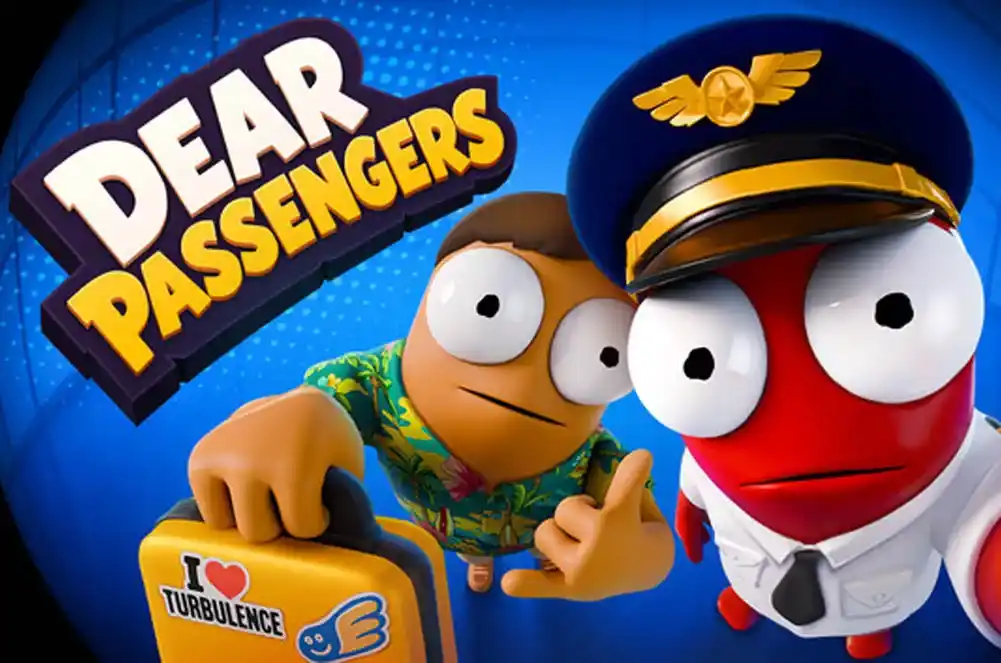
Dear Passengers Game The Viral game in 2026: Imagine the worst budget flight of your life—the kind where the seat doesn’t recline, the in-flight meal is a questionable sandwich, and the passenger next to you has been loudly recounting their entire life story for three hours. Now dial that chaos up to one hundred. That, in essence, is the premise of Dear Passengers, a wild new co-op game that has taken the internet by storm.
Revealed recently, Dear Passengers quickly blew up across social media, racking up a huge number of wishlists on Steam within hours of its announcement. A single clip shared by an indie games personality amassed tens of millions of views across platforms. Within days, the game’s trailer had accumulated staggering view counts. The game even appeared in Steam’s popular search suggestions—a strong signal for a title that isn’t even out yet. As one fan perfectly captured the mood: “This looks absolutely ridiculous. Sign me up.”
But what exactly is this game, and why has it captured the collective imagination of gamers worldwide?
What Is Dear Passengers Game?
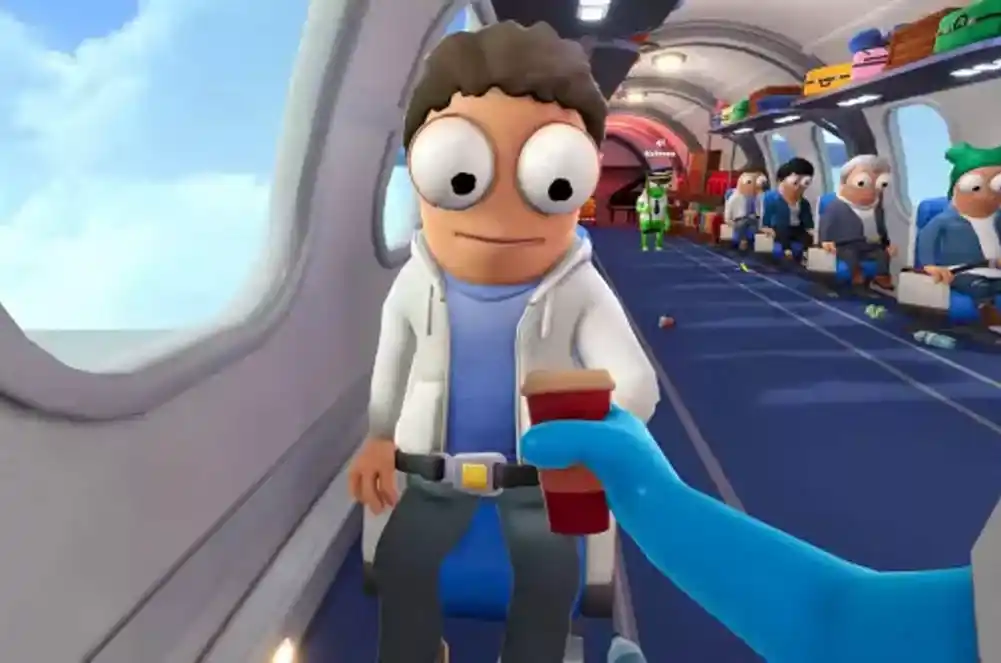
Developed by the Kyiv-based indie studio FLEXUS, Dear Passengers is a multiplayer co-op game where you and your friends play as the crew of “Budget Premium”—quite possibly the world’s worst airline. The Steam description sets the tone perfectly: “Play in co-op as the crew of the world’s worst airline. Your plane is falling apart, your cargo is illegal, and passenger safety barely makes the list.”
The game’s setup is deceptively simple: your job is to deliver passengers and cargo to their destination. Preferably in one piece. One player pilots the plane while the others manage the cabin, serve passengers, and deal with whatever goes wrong before it gets much worse. What makes Dear Passengers stand out is not its premise but the sheer, unrelenting chaos that unfolds once you’re in the air.
Gameplay: Controlled Catastrophe of Dear Passengers Game
The core loop of Dear Passengers revolves around a risk-reward system that would make even the most seasoned gambler think twice. Before each flight, players choose which passengers and cargo to bring onboard. The bigger the payout, the more trouble it usually causes. Some cargo is hard to handle; some passengers are hard to please; and some flights start going wrong before you even leave the ground.
Once airborne, the real madness begins. Dynamic weather can turn a routine flight into a disaster mid-air. Turbulence and air pockets throw passengers, luggage, and anything else loose around the cabin. The physics-based cabin system is intentionally chaotic—one bad turn can send the entire plane into pandemonium.
And that’s just the beginning. Players may need to step outside the aircraft mid-flight to repair hull damage. They might have to fend off airborne pirates using a machine gun. They’ll deal with fires, de-ice wings manually, and manage everything from passenger meal requests to escaping crocodiles.
The game offers remarkable freedom in how problems are “solved.” The player can dutifully complete tasks or take a more… creative approach. Too many annoying passengers? Simply toss them out of the plane for an unscheduled skydiving experience. Cargo causing problems? Dump it mid-flight. Even your friends aren’t safe from being jettisoned. The game embraces the philosophy that not every solution needs to be elegant—and not every passenger needs to stay onboard.
The “Friendslop” Phenomenon
Dear Passengers has been widely described as the latest example of the growing “friendslop” trend—a term used by gaming communities to describe colorful, low-cost multiplayer games designed around chaotic co-op gameplay with friends. These titles often feature unpredictable physics, simple mechanics, and humorous situations that create memorable, shareable moments.
The term might sound dismissive, but the numbers tell a different story. Games like R.E.P.O., Peak, RV There Yet, and YAPYAP have sold multi-millions of copies this year alone. They’re built around the comedy of things going catastrophically wrong with your friends—and audiences can’t get enough.
Industry analysts point to a broader shift in gaming preferences. Rather than sprawling worlds and hundreds of hours of gameplay, players are increasingly drawn to short sessions they can enjoy casually with friends. Live service games have seen significant failures, while “friendslop” games are clearly resonating with a post-Roblox audience looking for quick, social gaming experiences.
Dear Passengers fits neatly into this wave of co-op chaos games. Unlike traditional flight simulators that demand precision and realism, this game is built around improvisation and survival. The appeal comes from how fast a tidy cabin plan collapses once passengers, cargo, and weather start pulling in different directions. It’s organized panic, and it’s absolutely hilarious to watch—and, presumably, to play.
The Viral Engine: Why Dear Passengers Blew Up
Several factors contributed to Dear Passengers‘ overnight success. First, the trailer was perfectly engineered for social media consumption—short, punchy, and filled with moments designed to elicit shock and laughter. The game’s premise is instantly understandable and inherently shareable. Everyone has experienced a terrible flight; the idea of being the cause of that terrible flight is darkly comedic.
Second, the game taps into the current streaming and content creation ecosystem. Streamers and YouTubers are always looking for the next game that will generate funny reactions and clip-worthy moments. Dear Passengers delivers these in abundance.
Third, the developer FLEXUS, despite being a mobile game maker with no prior Steam projects, understood the assignment. The game’s Steam page leans heavily into the absurdity, with taglines like “Safety is our top-3 priority.” It’s self-aware, irreverent, and knows exactly what kind of experience it’s selling.
The Controversies: Not All Turbulence Is Welcome
However, Dear Passengers‘ meteoric rise hasn’t been without turbulence. The game has sparked significant backlash over two issues: an apparent reference to a convicted sex offender and questions about generative AI use.
In the game’s trailer, one of the character name tags reads “Epst. J”—a reference that many interpreted as an unambiguous nod to a notorious figure. Additionally, the trailer shows this character approaching a figure resembling a former president, slapping him, and throwing him out of the plane. While some have dismissed it as silly satire in a deliberately non-serious game, others were less forgiving. “Using a reference to that person to market your game is kinda gross,” one user wrote. Another declared: “Never playing anything from Flexus.”
Criticism posts attracted massive engagement, suggesting this wasn’t just a minor oversight but a deliberate marketing strategy. Whether the controversy was intentional or accidental, it undeniably generated additional attention—though at a significant reputational cost.
The AI question added another layer of complexity. Some critics alleged that the game used generative AI for voice work, though the developer has claimed that none of the development team used generative AI in creating the game. The Steam page notably contains no AI-generated content disclaimer, which one outlet interpreted as a suggestion that all content was hand-crafted by developers.
The Numbers Behind the Hype
The statistics surrounding Dear Passengers are nothing short of remarkable. The reveal trailer amassed a staggering number of views across social media, and wishlists on Steam surged into the hundreds of thousands within a single night.
These numbers are particularly impressive given the game’s scale. FLEXUS is a Ukraine-based studio founded in recent years with a sizable team, primarily known for mobile titles. Dear Passengers represents their first PC game. The studio has no confirmed release date beyond a current-year window, and the game currently supports only English. Yet none of this has dampened enthusiasm.
What This Means for Gaming
The Dear Passengers phenomenon reflects broader changes in the gaming landscape. Players are increasingly seeking out experiences that prioritize shared laughter over competitive skill, chaos over precision, and short sessions over epic campaigns. The “friendslop” trend, whatever one thinks of the name, represents a genuine shift in how games are designed, marketed, and consumed.
As one major gaming outlet noted earlier this year, the era of cheap, comedic, and crude multiplayer games is only getting started. Indie developers are rushing to cash in on the trend, and games are blowing up before they’re even officially announced.
Some industry veterans have pushed back against the “friendslop” label, arguing that it diminishes the value of these games. One seasoned gaming industry investor called for media to stop using the term, arguing that these games have the potential to change the direction of the gaming industry. Regardless of the terminology, the commercial success is undeniable.
Conclusion: Buckle Up
Whether Dear Passengers will ultimately join the ranks of Among Us, R.E.P.O., or Peak as a defining game of its moment remains to be seen. The game hasn’t even launched yet, and the controversies may yet impact its reception. But one thing is clear: FLEXUS has tapped into something real. The appetite for chaotic, co-op, comedy-driven gaming experiences is stronger than ever.
As the game’s Steam page puts it: “World’s Worst Airline Is Hiring!” Judging by the response, it seems plenty of players are ready to apply—even if the job description includes fighting pirates, throwing passengers out of planes, and trying to keep a falling-apart aircraft in the sky.
Dear Passengers has no confirmed release date beyond the current year, but it’s worth keeping on your radar. It might be cheaper than a pint in your local city, and it could be the perfect excuse for a chaotic night in with friends. Just remember: in the world of Budget Premium, safety isn’t just not guaranteed—it’s barely even a suggestion. Link to Download Dear Passengers
Buckle up. It’s going to be a bumpy ride. here
Related games : GTA 6 30 FPS, Assassin’s Creed Black Flag Remake
FAQs About Dear Passengers Game
1. What is Dear Passengers Game about?
Dear Passengers Game is a multiplayer co-op title where you and your friends play as the crew of the world’s worst airline, “Budget Premium.” Your job is to deliver passengers and cargo to their destination while dealing with falling-apart planes, illegal cargo, dynamic weather, airborne pirates, fires, and a cabin full of chaos. The game embraces absurd solutions—including tossing annoying passengers out of the plane mid-flight.
2. When is the release date for Dear Passengers Game?
The game currently has no confirmed release date beyond a 2026 window. It was revealed recently and has amassed huge wishlist numbers on Steam, but the developer FLEXUS has not announced a specific launch day yet. The game is expected to release sometime within the current year.
3. Who developed Dear Passengers Game?
Dear Passengers Game is developed by FLEXUS, a Kyiv-based indie studio founded in 2020. The studio is primarily known for mobile titles such as Tower Craft, Mow My Lawn, and Dye Hard. Dear Passengers marks their first PC game.
4. What controversies surround Dear Passengers Game?
The game has sparked backlash over two main issues. First, a character name tag reading “Epst. J” has been widely interpreted as a reference to a convicted sex offender, and the trailer shows this character slapping and throwing out a figure resembling a former president. Second, some critics have alleged the use of generative AI for voice work, though the developer has denied using AI in the game’s creation.
5. What is the “friendslop” trend and how does Dear Passengers fit in?
“Friendslop” is a term for colorful, low-cost multiplayer games designed around chaotic co-op gameplay with friends, featuring unpredictable physics and humorous situations. Dear Passengers is considered a prime example of this trend, joining hits like R.E.P.O., Peak, and RV There Yet. These games prioritize short, shareable sessions of organized panic and comedy over long campaigns or competitive skill, and they have proven hugely popular with streamers and casual players alike.